Moment: Reputation & Market Position

Shape how the market understands your value

Reputation and market position are shaped by what stakeholders understand, believe and experience over time.

When perception no longer reflects reality, differentiation weakens and the market fills in the gaps.

Offerings evolve, markets shift, competitors sharpen their claims, trust is tested or stakeholders simply do not understand the full value of what the organization has become. Savage helps leaders reveal what makes the organization distinct, strengthen credibility and shape a position that is clear, relevant and easier to choose.

The signs

Brand reputation and market positioning may need attention when:

  • The organization has evolved, but the market still sees an older version.
  • Customers do not understand the full value of the offering.
  • Leaders struggle to explain what makes the company different.
  • The business is losing market share to competitors.
  • Customers buy once, but not again.
  • Trust or credibility has been tested by change, disruption or uncertainty.
  • The brand feels outdated compared to where the business is headed.
  • A new market, category or offering requires a stronger connection to the core story.
  • Sales conversations are defaulting to price, relationships or capabilities instead of differentiated value.
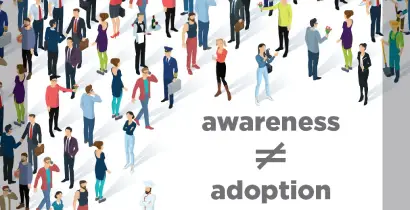
People cannot choose what they do not understand.

When perception is outdated or unclear, value becomes harder to defend. When reputation and position are strong, the organization is easier to trust, easier to understand and easier to choose.

01

What weak positioning can strain

  • Trust
  • Relevance
  • Differentiation
  • Market share
  • Customer confidence
  • Pricing power
  • Sales efficiency
  • Competitive preference
02

What stronger reputation and position can unleash

  • Increased revenues and market share
  • Clearer market understanding
  • Stronger customer preference
  • Renewed credibility
  • Greater stakeholder confidence
  • More qualified demand
  • Stronger pricing power
  • Better alignment between perception and reality
  • A clearer enterprise value story
How Savage Helps

Turn perception into preference.

Reputation is shaped by story, behavior, visibility and experience. Savage connects those elements so the organization can be known for the right reasons and chosen with greater confidence.

Results in action

Featured case studies that show how Savage has worked with organizations to strengthen reputation, sharpen positioning and build market confidence.

Frequently Asked Questions

When should a company revisit its brand positioning?

A company should revisit its brand positioning when the business has evolved but stakeholders no longer understand the full value of what it offers, why it is different or where it is headed. This often happens after growth, leadership change, new offerings, market disruption, increased competition or periods of uncertainty that shift how customers, employees or other stakeholders perceive the organization.

How can brand strategy strengthen reputation?

Brand strategy clarifies what the organization stands for, what makes it distinct and why people should trust it. When that story is aligned with behavior, communication and experiences, reputation becomes stronger, more consistent and easier for the market to understand.

What is the difference between brand reputation and brand positioning?

Brand reputation is what people believe about an organization based on what they have seen, heard and experienced over time. Brand positioning is how the organization is understood relative to alternatives. They are connected: a strong position shapes reputation, and a strong reputation gives the position more credibility.

How do stronger brand reputation and positioning support business growth?

Stronger brand reputation and positioning make value easier to understand and harder to compare on price alone. They can strengthen customer preference, improve sales conversations, support demand generation and give stakeholders more confidence in where the business is headed.

Be known for the value you create.

If the market is not recognizing your organization’s full value, let’s talk.

Start a conversation