Many organizations invest significant time and effort into building a strong brand strategy. The challenge is often what happens next. The strategy may be clear, the positioning strong and the visual identity thoughtfully developed and professionally executed. Leadership may feel aligned during the launch process and teams may leave workshops energized by the direction ahead.
And yet, over time, the brand begins to fragment. Old logos reappear. Teams modify templates. Messaging starts to dilute. Employees create materials independently because they cannot find the right assets or aren’t sure which standards apply. Departments begin presenting themselves differently depending on who is communicating, what platform is being used or how fast the work needs to move. This erosion rarely happens all at once. It happens gradually through inconsistent execution, with seemingly minor inconsistencies compounding over time. In most cases, the issue is not the strategy itself but that the brand was never fully integrated operationally across the organization.
Brands are Built Through Daily Behavior
Organizations often think of branding as a strategic initiative. But customers experience a brand operationally. A brand is not built during the agency presentation or through a set of beautifully designed brand guidelines. It is built through thousands of daily interactions, decisions and behaviors across the organization.
It is reflected in proposal templates, presentations, internal and external communications, customer interactions, digital experiences, recruiting materials and sales collateral that either reinforce or contradict one another. This is where many organizations underestimate the real work of branding. Once the strategy is complete, discipline becomes the differentiator.
Standards Alone Do Not Create Consistency
Many organizations believe creating a brand standards document solves the problem, but it does not. Standards only matter if they are accessible, understood and consistently applied within the flow of daily work.
In reality, brand inconsistency is often less about resistance and more about operational friction. Employees cannot locate the correct logo files or may not know which file format to use. Templates are outdated or difficult to access. Photography libraries are scattered across departments, outdated or lack legal approval. New hires may not be trained on how the brand should be used. Teams recreate materials independently because it feels faster than searching for pre-approved assets or working through the approval process. Eventually, people stop following the system because the system no longer supports the pace of the business.
Strong brands require more than creative direction. They require operational infrastructure that enables consistency at scale.
The Hidden Cost of Brand Debt
When employees take shortcuts such as using an old logo or piecing together an unapproved presentation template because it feels faster, a company incurs what is known as “brand debt.” Much like technical debt in software development, a parallel first made by marketing technologist Scott Brinker, these small inconsistencies seem harmless in the moment. Over time, that fragmented brand debt compounds, requiring effort, time and resources to correct.
Discipline is About Equipping People, Not Controlling Them
Brand discipline is often misunderstood as rigid governance or restrictive oversight. The strongest brand systems do the opposite. They create clarity, reduce friction, make consistency easier, and empower employees to confidently represent the organization.
Employees should not have to guess:
- Which logo to use
- Where approved assets live
- What messaging aligns with the brand
- Which templates are current
- What quality standards should look like
- How the organization should consistently present itself
When organizations provide accessible tools, templates, training and guidance, employees become empowered to act as brand ambassadors and stewards rather than inconsistent interpreters of the brand. This distinction matters because strong brands are not sustained by marketing teams alone. They are reinforced daily by employees across the organization through presentations, conversations, proposals, customer interactions, countless small moments and behaviors that collectively shape perception.
Every Employee Shapes the Brand
A brand is one of an organization’s most valuable intangible assets. But unlike many assets, its value is shaped daily through execution. Every interaction either reinforces recognition, trust and credibility, or slowly erodes them. This is why brand discipline matters beyond marketing. It is not simply about visual consistency. It is about protecting and strengthening an asset that influences how the organization is perceived, trusted and experienced over time.
Sustaining brand discipline cannot sit with marketing alone. Leadership plays an important role in reinforcing brand discipline, but long-term consistency depends on employees having the tools, systems and support needed to execute it every day. If leadership uses an outdated presentation deck because it’s familiar, it instantly signals to the rest of the organization that brand standards are optional. But when executives model brand discipline, that behavior reinforces the importance of consistency across the organization.
Employees shape the brand every day through how they communicate, collaborate and represent the organization. When people understand the brand, have the right tools and feel connected to the organization and the role they play within it, they become active stewards of consistency instead of developing disjointed materials, messaging and interpretations of the brand in the absence of clarity and support. Left unchecked, these disconnected interpretations compound over time, fragmenting how the organization presents itself internally and externally.
Consistency creates enterprise value because it builds recognition, trust and organizational cohesion over time.
Infrastructure Matters More than Most Organizations Realize
Strong brands are sustained through systems, reinforcement and accessibility, including:
- Centralized asset management
- Accessible templates and tools
- Clear governance processes
- Ongoing employee education
- Defined ownership and accountability
- Reinforcement from leadership
- Operational systems that support consistency rather than complicate it
In one client engagement, Savage developed online brand standards and a digital asset management system, allowing employees across more than 30 regional locations to access approved assets, templates, messaging and photography from a centralized platform. The objective was not simply to store files. It was to operationalize the brand in a way that supported employees in their day-to-day work while reducing friction around execution. The system helped centralize assets, improve accessibility, support consistency across touchpoints and create a living repository that could evolve as the organization grew.
Organizations are increasingly exploring dedicated brand management platforms such as Frontify and other digital asset management systems to create efficient and more scalable approaches to governance, collaboration and brand consistency across teams.
Maintaining a strong brand over time requires more than a static PDF of brand guidelines. It requires infrastructure that supports how people actually work.
Brand Launches Often Focus too Heavily on Awareness
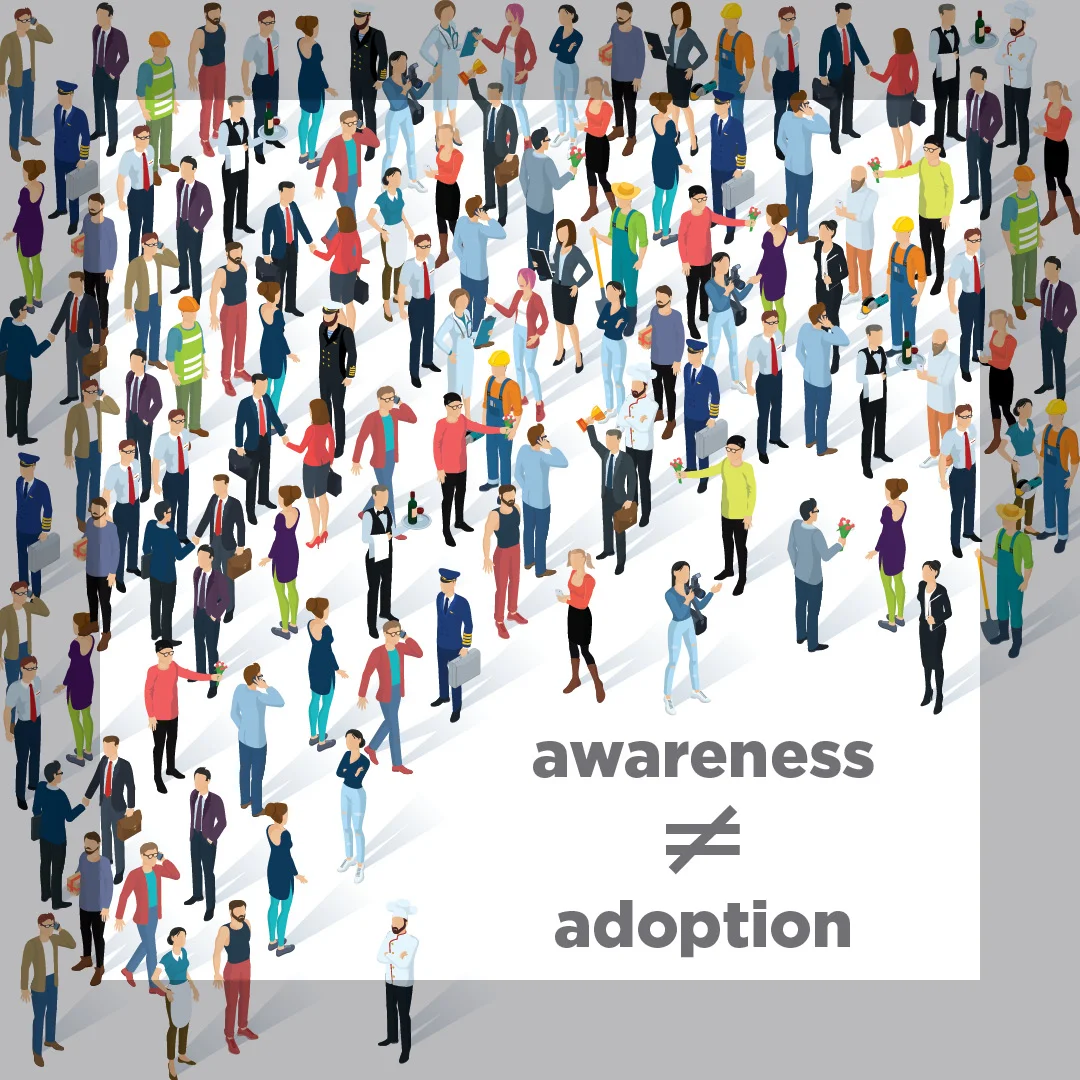
Many organizations invest heavily in announcing a new brand but far less in helping employees adopt it operationally. Awareness ≠ adoption. Employees need clarity around:
- Why the brand matters
- What role they play in reinforcing it
- How to use the tools correctly
- Where to access resources
- What standards are non-negotiable
- How the brand should evolve consistently over time
Organizations launching new brands should consider how they will reinforce brand standards adoption beyond the initial unveiling. Successful rollouts often include activation strategies and tactics such as employee training sessions, FAQs, ongoing internal communications, leadership adoption and operational systems that help employees consistently bring the brand to life in their daily work.
Awareness may introduce a new brand, but adoption happens when new behaviors are consistently reinforced through leadership, systems and daily practice.
How does an organization know if this ongoing reinforcement is actually working? Brand discipline is an operational behavior so it can, and should, be measured. By tracking asset download metrics on digital asset management platforms, monitoring template usage rates, or conducting regular internal brand-health surveys to gauge whether employees feel adequately equipped, companies can quantify their adoption. Showing that brand discipline is measurable shifts it from a subjective marketing gray area to an objective business metric that appeals directly to the C-suite.
A Brand is Only as Strong as Its Execution
A brand strategy will define leadership’s vision, but discipline determines whether that vision thrives in day-to-day execution across the organization. Brands are not built in presentations. They are built through consistent execution across thousands of daily interactions, decisions and behaviors. Over time, that consistency compounds, building recognition, trust, organizational cohesion and ultimately, enterprise value.
Building a brand is only part of the equation. Sustaining it through dependable execution across the organization is where the real work begins. Learn how Savage helps organizations build, launch and operationalize brands that create long-term alignment and enterprise value.
